How Many Miles Is Too Many on a Used Car?
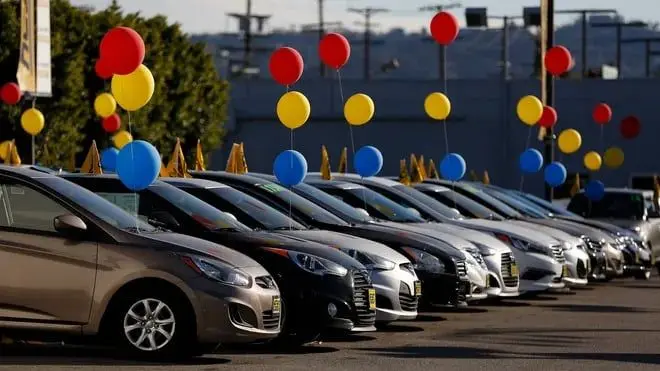
If you’ve ever shopped for a used car, you’ve probably asked yourself: How many miles is too many? It’s a fair question. After all, mileage is one of the biggest factors people consider when buying a pre-owned vehicle. But here’s the thing: not all miles are created equal. A well-maintained vehicle with higher miles can often be a better buy than a low-mileage car that’s been neglected. At Jay Wolfe Auto Outlet, we know mileage is important, but we also know that care, maintenance, and vehicle history matter just as much, if not more. So, let’s break it down.
Is There a Magic Number for Mileage?
There’s a common belief that once a car passes 100,000 miles, it’s on its last legs. But that’s old-school thinking. Today’s vehicles are built to last much longer, with many well-maintained cars reaching 200,000 miles or more. Here’s a general breakdown of how mileage impacts a car’s life cycle:
- 0-30,000 miles – Basically still a baby. These cars often have some factory warranty left and minimal wear.
- 30,000-60,000 miles – A great sweet spot. Many major components are still in excellent condition, and depreciation has already taken its biggest hit.
- 60,000-100,000 miles – Still plenty of life left, especially if the car has a solid maintenance history.
- 100,000-150,000 miles – This is where buyers get nervous, but a well-cared-for car can still be a fantastic value.
- 150,000+ miles – Vehicles at this mileage can still be reliable, but maintenance history becomes the biggest factor.
Mileage vs. Maintenance: Which Matters More?
A low-mileage car that hasn’t been properly maintained can be a much worse investment than a high-mileage car with a spotless service record. Here’s why:
- Highway miles are easier on a car than stop-and-go city driving. A car with 80,000 highway miles may be in better shape than one with 50,000 miles of short, rough trips.
- Regular oil changes, fluid replacements, and brake maintenance keep a car running smoothly regardless of mileage.
- One-owner vehicles or those with detailed service histories tend to last longer than those with unknown backgrounds.
When to Be Cautious About High Mileage
While high-mileage cars can still be great purchases, here are some red flags to watch for:
- No service records – A car with 120,000 miles and no maintenance history could be a gamble.
- Major repairs looming – Timing belts, water pumps, and transmissions typically need servicing at higher mileage. A car that hasn’t had these replacements might require a big investment soon.
- Visible signs of neglect – If the car looks rough on the outside, chances are it wasn’t well cared for under the hood either.
How to Shop Smart for a Used Car
Instead of focusing only on mileage, consider:
- Service history – A well-maintained car with 100,000 miles can be a better investment than a neglected one with 50,000 miles.
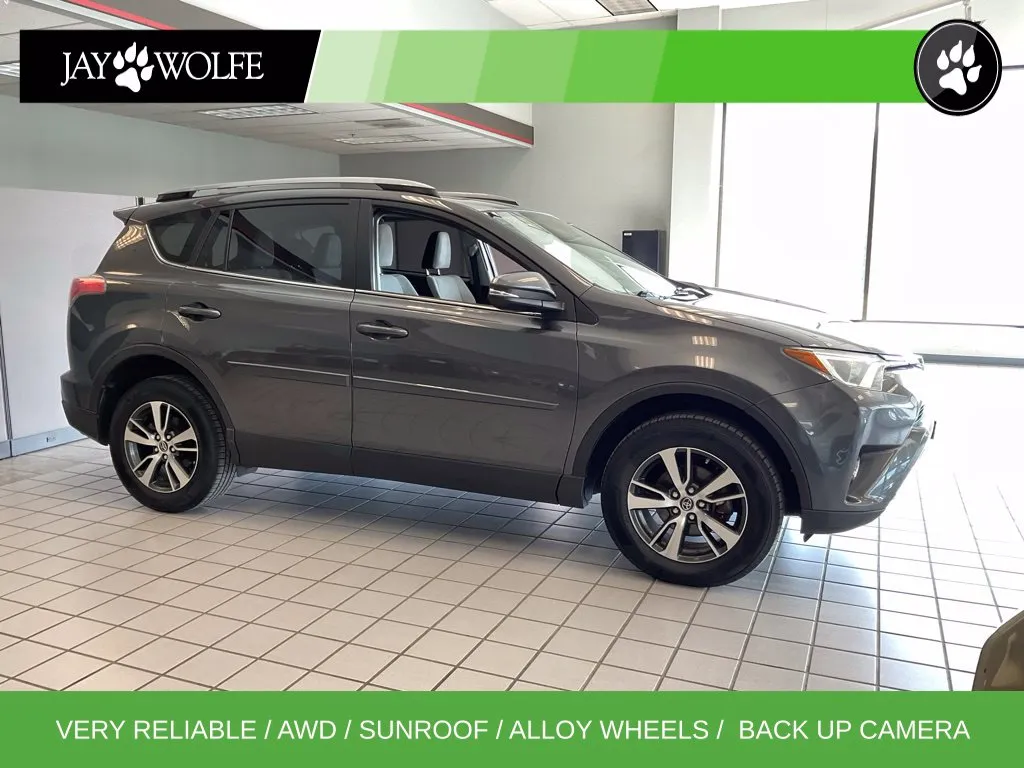
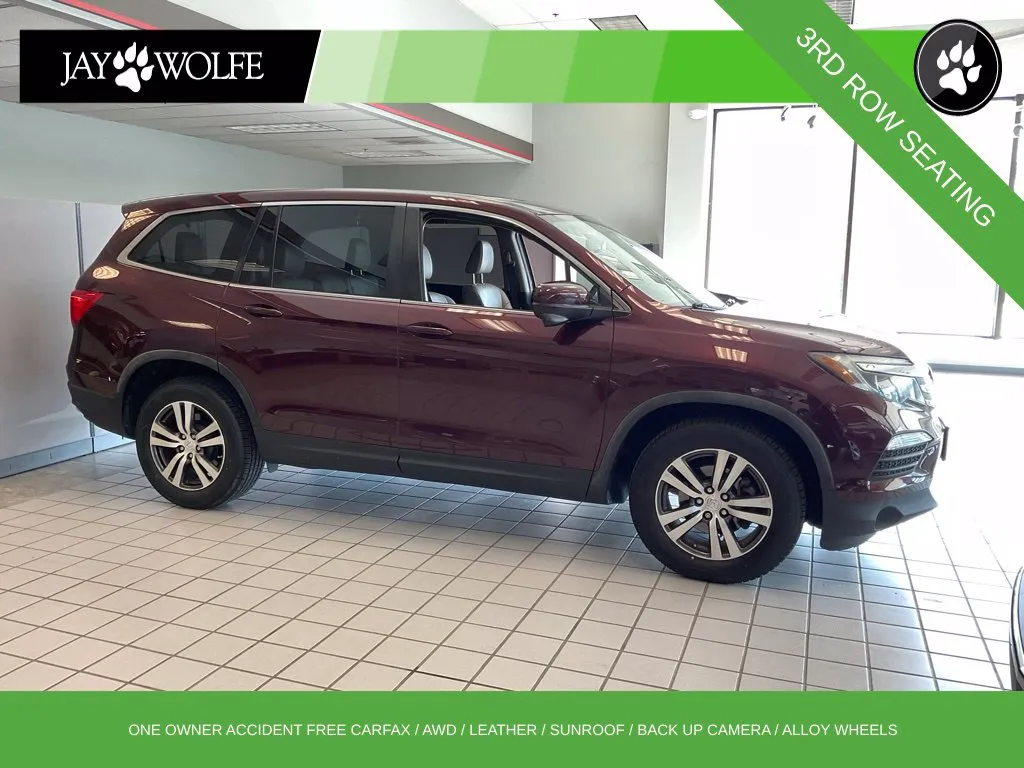
- Brand reputation – Some brands, like Honda, Toyota, and Acura, are known for long-term reliability and can easily surpass 200,000 miles with proper care.
- Condition and inspection – A pre-purchase inspection can tell you if a car is still in top shape, which is why we inspect all of our vehicles before they hit the lot.
Find a Reliable Used Car at Jay Wolfe Auto Outlet
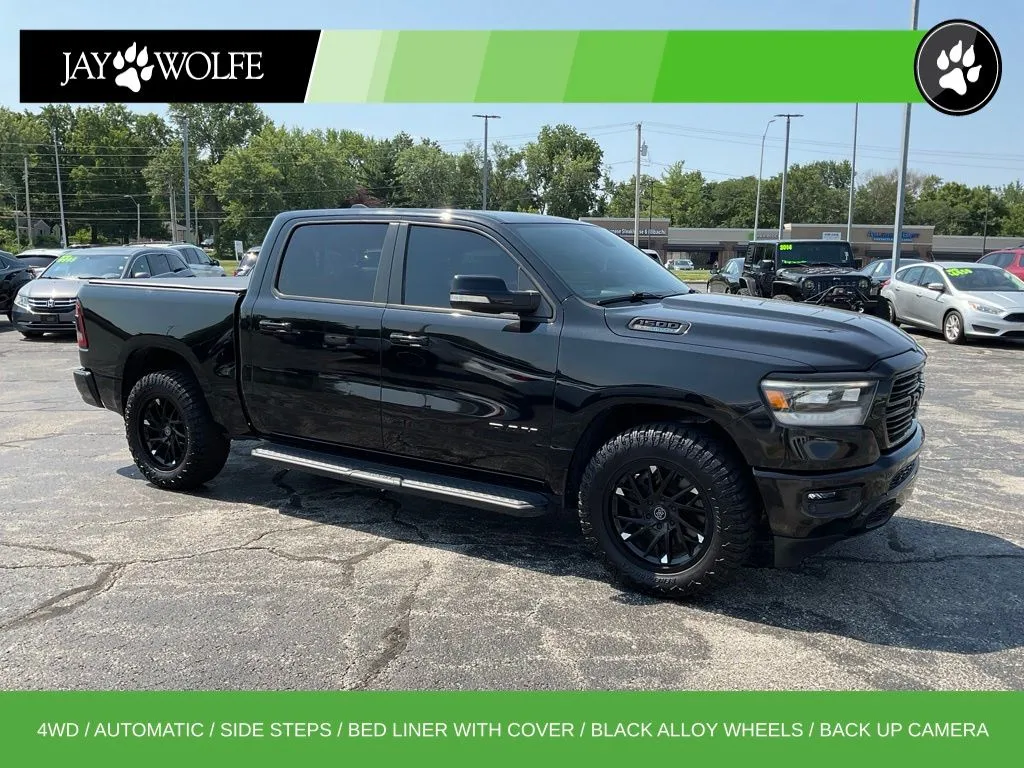
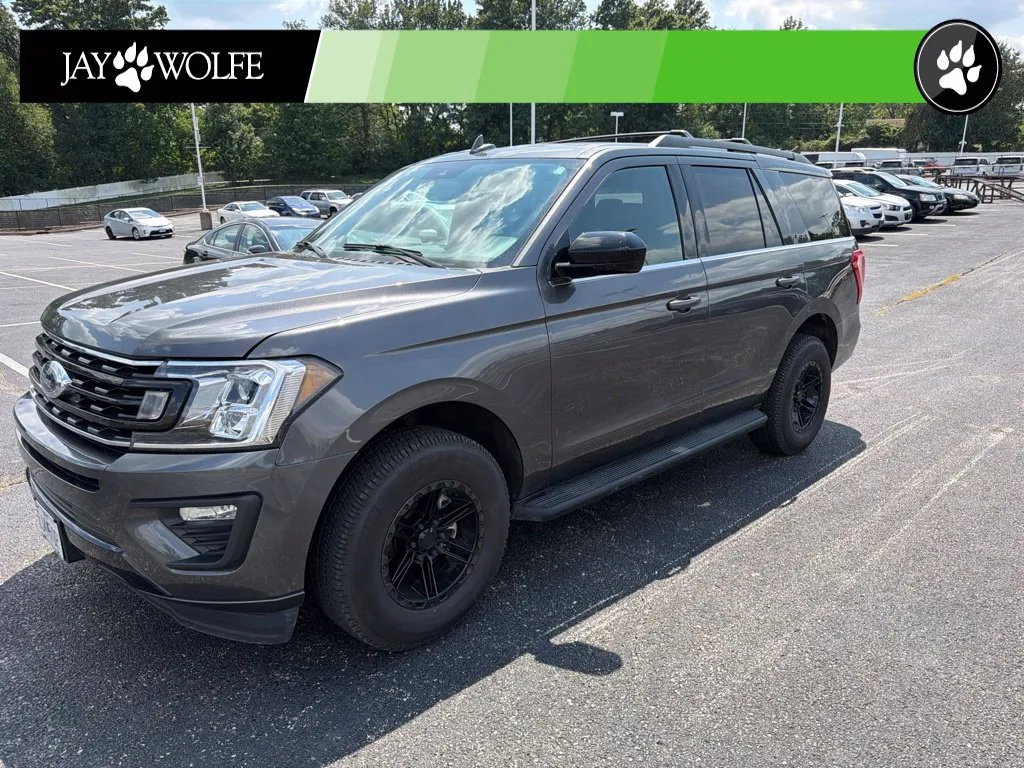
At Jay Wolfe Auto Outlet, we take the guesswork out of buying a used car. We specialize in low-mileage, well-maintained trade-ins from our Honda, Acura, and Toyota dealerships, meaning you’re getting a car that’s been cared for—not just something that’s been sitting on a random auction lot. No matter the mileage, our vehicles are inspected, serviced, and ready for the road. Looking for a dependable used car in Kansas City? Stop by Jay Wolfe Auto Outlet today or browse our inventory online to find the perfect vehicle for you.