How to Read a Carfax Report
Table of Contents
How to Read a Carfax Report
Carfax reports look like someone dumped an entire vehicle's life story into a confusing timeline. Dates, mileage numbers, service records, ownership changes, and cryptic abbreviations fill multiple pages. Here's how to cut through the noise and find what actually matters.
Start With the Basics: Title Status
This appears right at the top for a reason. "Clean Title" means exactly what it sounds like: no major disasters, no insurance write-offs, no sketchy salvage history. That's the green light you want to see.
Anything else requires serious investigation. "Salvage Title" means insurance once declared this vehicle a total loss. "Rebuilt Title" means someone fixed a salvaged vehicle and got it inspected. "Flood Damage" speaks for itself. None of these are automatic deal-breakers for everyone, but they should trigger serious price negotiations and mechanical inspections.
If you see anything besides "Clean Title," ask why. Get the whole story before proceeding.
Ownership History: The More, The Messier
One or two previous owners usually indicates a vehicle that stayed with people long enough to suggest satisfaction. Five owners in three years? That's a red flag the size of a beach towel. Something about this vehicle made multiple people want out quickly.
Pay attention to how long each owner kept it. Someone who owned the car for five years probably liked it. Someone who dumped it after six months probably discovered problems.
Also note whether previous owners were individuals or businesses. Fleet vehicles and rental cars get driven hard by people who don't own them. That Toyota Camry with "Enterprise Rent-A-Car" in the ownership history has seen some aggressive driving from people who never had to pay for repairs.
The Mileage Timeline: Math That Matters
Carfax tracks reported odometer readings chronologically. Watch for inconsistencies. If the mileage goes from 75,000 to 82,000 to 65,000, someone either replaced the instrument cluster or rolled back the odometer. Neither scenario is good.
Calculate average annual mileage. Most people drive 12,000 to 15,000 miles per year. A five-year-old car with 40,000 miles suggests low use, possibly garage-kept. That same five-year-old car with 120,000 miles lived hard. Neither is necessarily bad, but you should know which you're buying.
Service Records: The Good Stuff
This is where you see whether previous owners actually maintained the vehicle. Regular oil changes every 5,000 to 7,500 miles? Good sign. Transmission service at manufacturer-recommended intervals? Excellent. Timing belt replacement at 100,000 miles? Someone cared about this car.
Gaps in service records aren't necessarily disasters. Not everyone gets work done at dealerships or shops that report to Carfax. But consistent maintenance records provide confidence that the vehicle received proper care.
Look for patterns. If you see brake service, tire replacements, and fluid changes happening regularly, someone treated this vehicle as a long-term investment rather than a disposable appliance.
Accident Reports: Context Matters
"Accident Reported" sounds scary, but context determines severity. A minor parking lot scrape that needed a bumper repaint is different from a front-end collision requiring frame straightening.
Carfax sometimes includes damage descriptions. "Minor damage" to a rear bumper isn't concerning. "Moderate damage" to the front end with structural repair? That deserves a thorough pre-purchase inspection focusing on alignment and frame integrity.
Also check when the accident occurred and whether subsequent service records show related repairs. An accident three years ago that's been properly repaired and hasn't caused ongoing issues is different from recent damage that might hide developing problems.
What Carfax Can't Tell You
Here's the reality: Carfax only knows what gets reported. That fender bender fixed at a buddy's body shop never appears. Service done at independent mechanics who don't report might not show up. Private party oil changes leave no trace.
A clean Carfax doesn't guarantee a perfect vehicle. It just means no major disasters were officially reported. You still need a pre-purchase inspection by a trusted mechanic.
The Green Flags You Want
Beyond the obvious clean title, look for these positive indicators: single owner with long ownership period, consistent maintenance records showing regular service, no accidents or only minor damage properly repaired, mileage consistent with vehicle age, and service performed at reputable facilities.
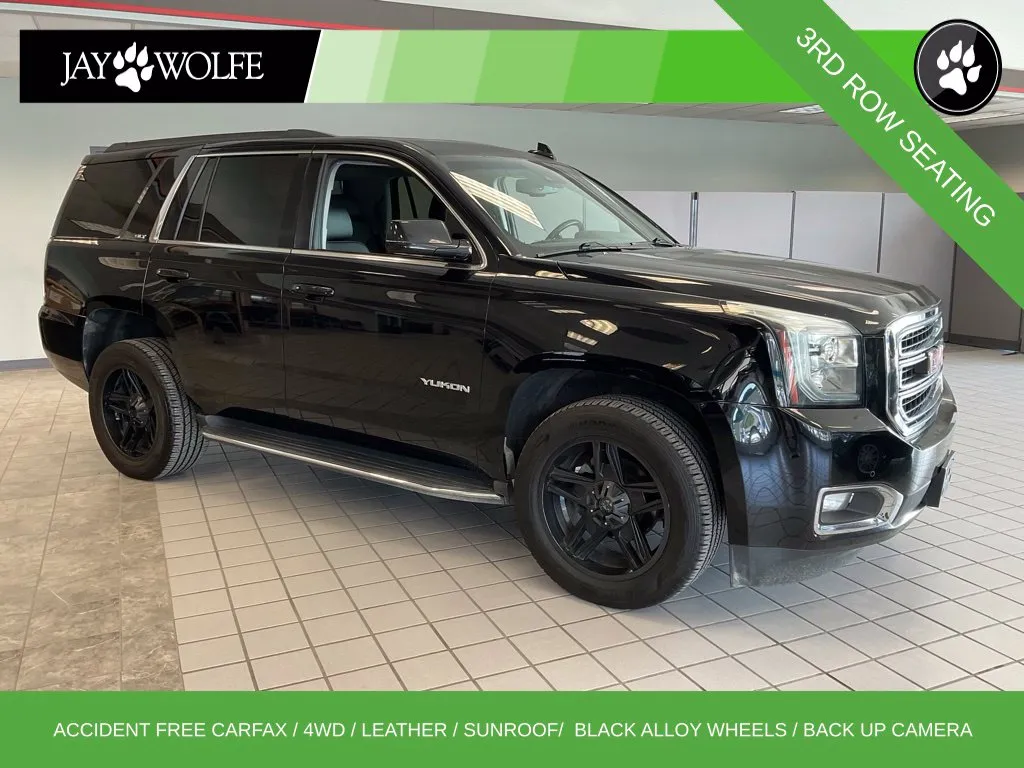
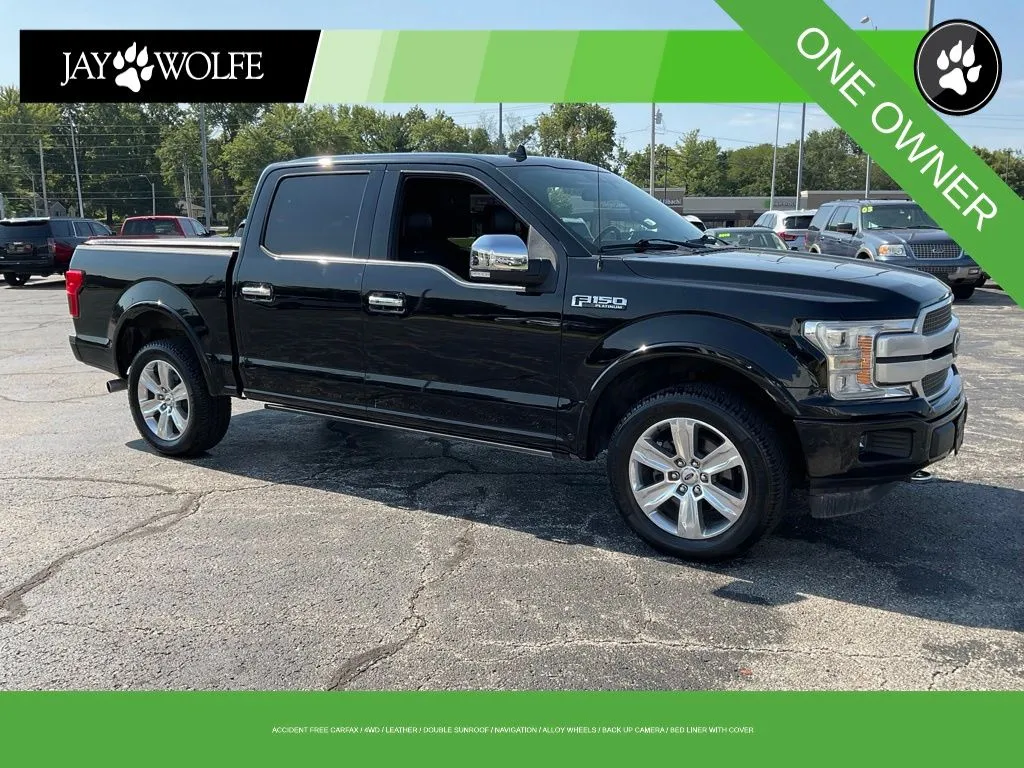
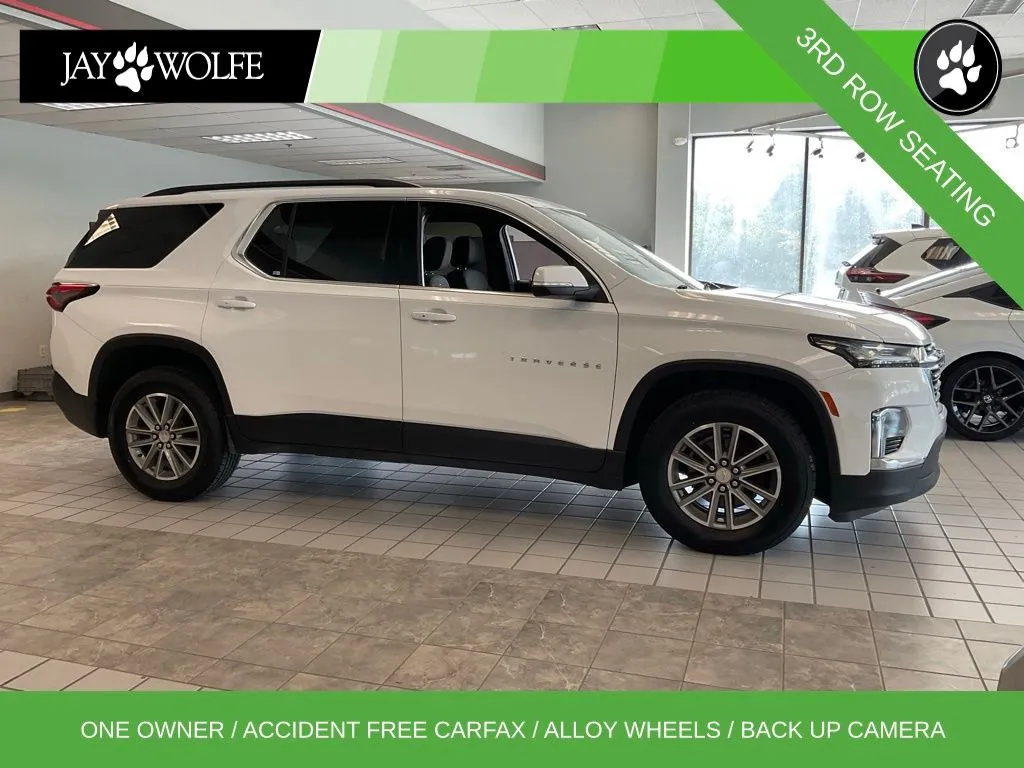
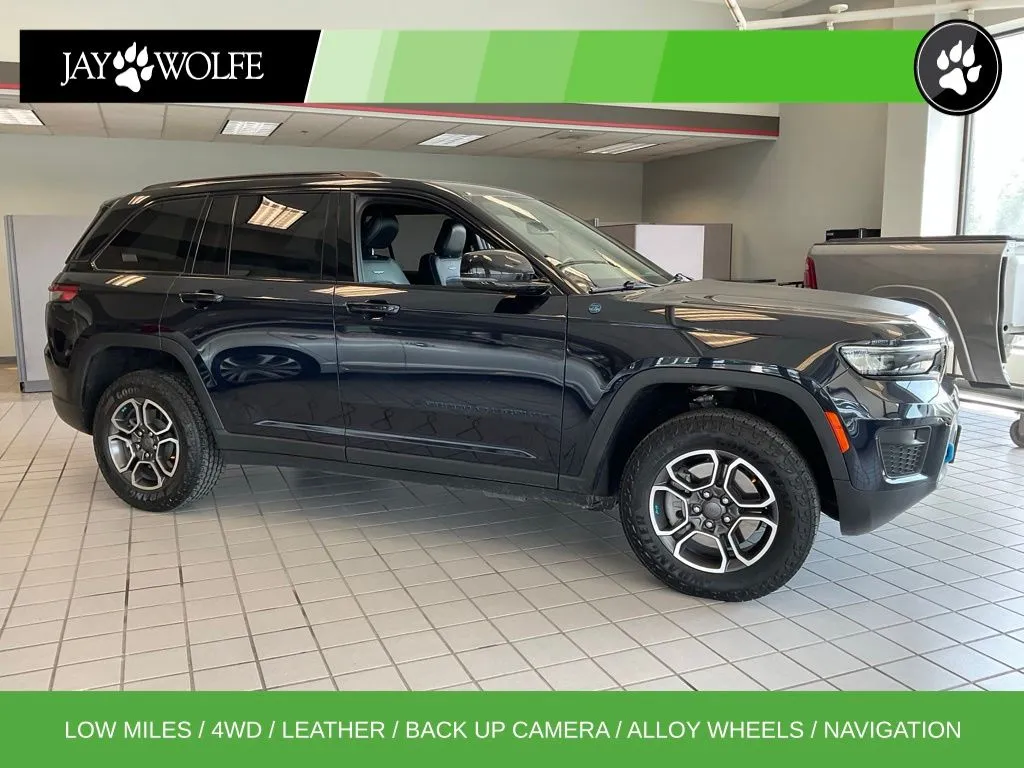
Vehicles sold by Jay Wolfe Auto Outlet often carry the advantage of being local trade-ins serviced at Jay Wolfe dealerships throughout their life. That documented service history from a single dealer network provides the transparency Carfax was designed to deliver.
Actually Using This Information
Don't just get the Carfax and skim it. Print it out. Read every line. Circle anything that raises questions. Then ask those questions before buying. Any reputable dealer will explain every entry and address your concerns.
If a seller refuses to provide a Carfax report or gets defensive about questions, walk away. The report costs about $40. If someone won't spring for that or won't discuss what's in it, they're hiding something.
Ready to see the complete vehicle history on our inventory? Visit Jay Wolfe Auto Outlet where we provide Carfax reports on every vehicle and help you understand exactly what you're buying with full transparency and documented history.