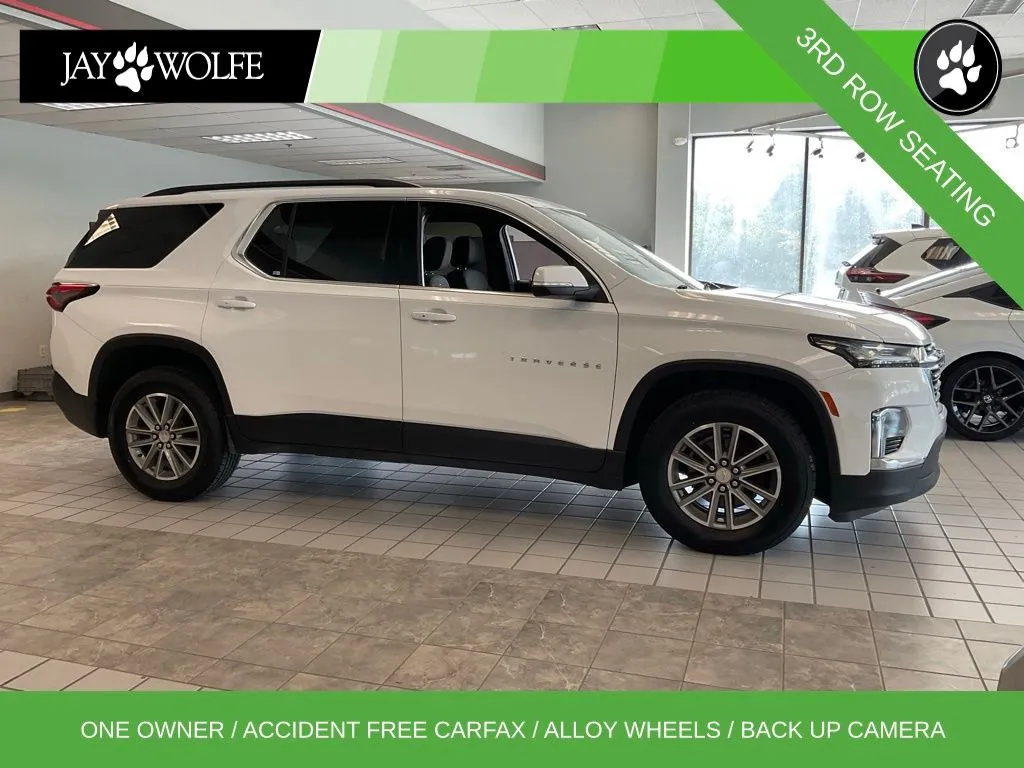
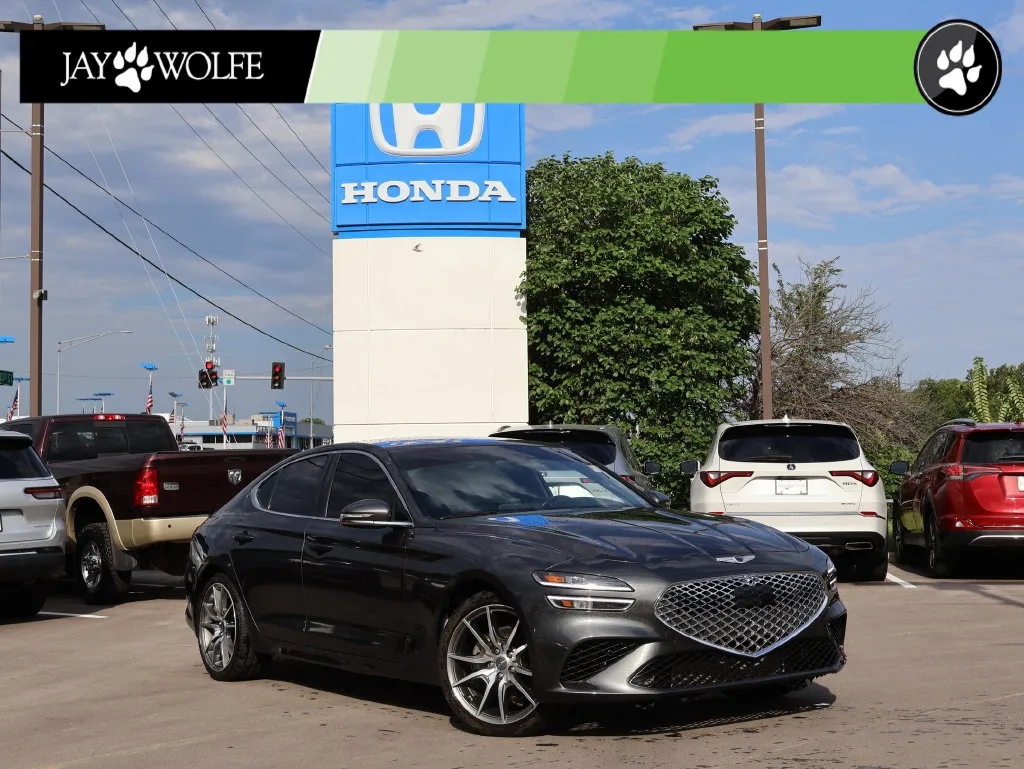
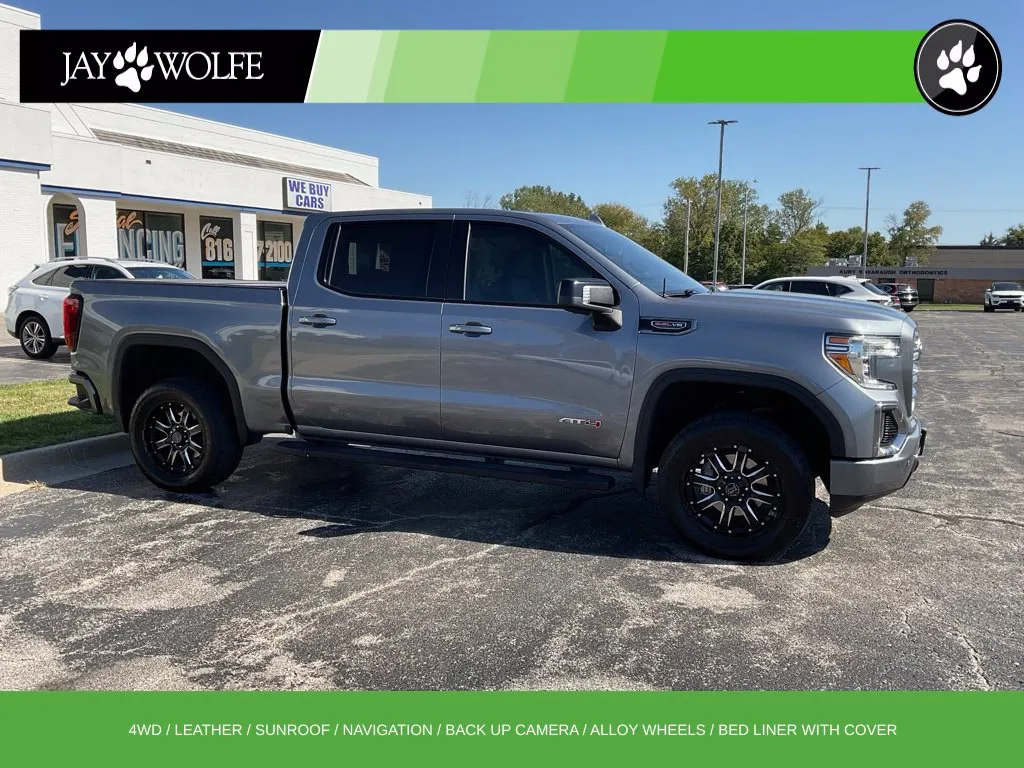
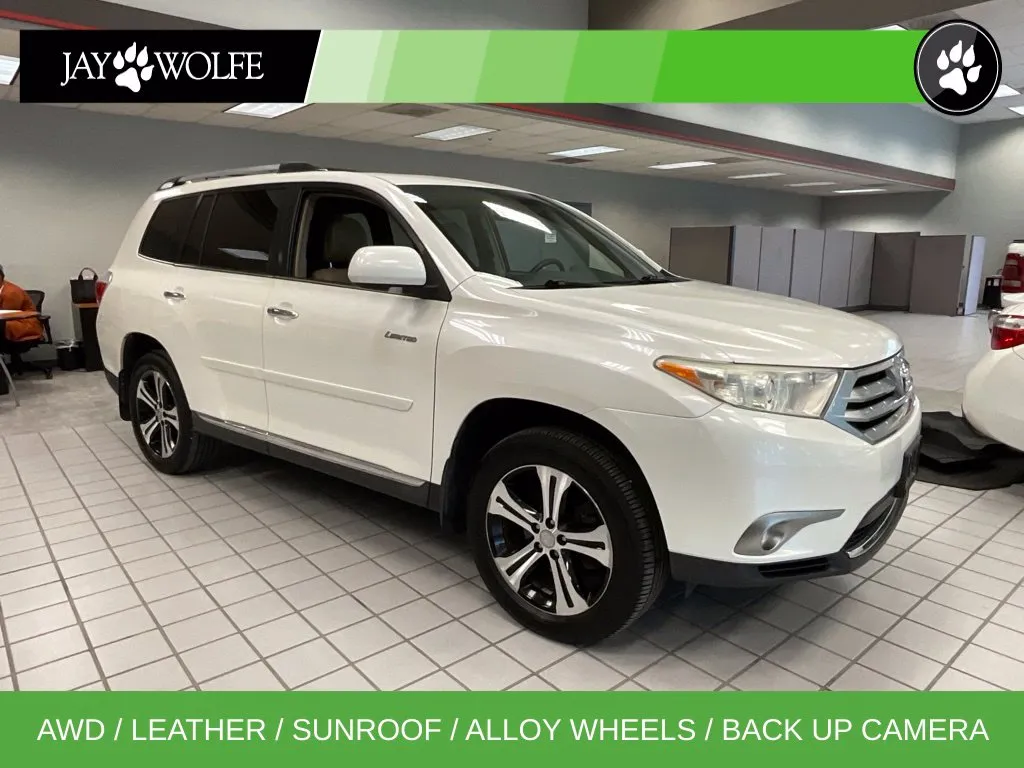
How to Test Drive a Used Car the Right Way
Table of Contents
How to Test Drive a Used Car the Right Way
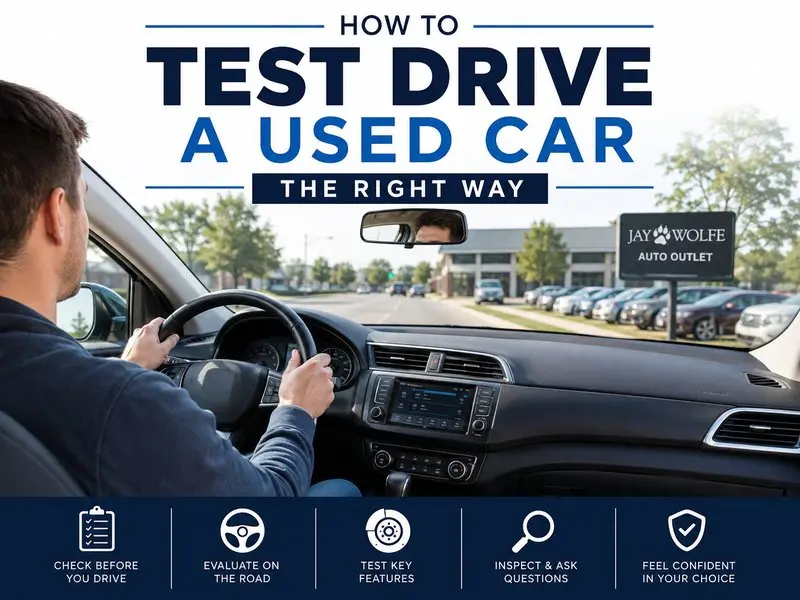
Most people test drive a used car the same way: five minutes around the block, radio on, and a general sense of "yeah, this feels fine." That approach tells you almost nothing useful. A proper test drive is your best opportunity to catch problems before they become your problems. Here's how to actually do it right.
Start Before You Even Turn the Key
Your test drive begins in the parking spot. Walk around the vehicle first. Check tire tread and look for uneven wear patterns, which can indicate alignment or suspension issues. Look under the vehicle for any visible fluid spots on the pavement. Open and close every door, the trunk or hatch, and the hood, listening for unusual sounds and checking that everything latches properly.
Sit in the driver's seat before starting the engine. Check that you can adjust the seat, mirrors, and steering wheel comfortably. Test every button, switch, and control while the car is off, including windows, locks, and climate controls.
The Cold Start Matters
If at all possible, ask to start the vehicle from cold, meaning it hasn't been running recently. Cold starts reveal things warm engines hide. Listen for unusual noises during startup: knocking, ticking, or grinding that disappears once the engine warms up often indicates developing engine issues. Watch the exhaust for excessive smoke, particularly blue smoke (oil burning) or white smoke that doesn't clear quickly (potential head gasket issues).
Low-Speed Observations
Before hitting any real speed, pay attention to how the car behaves in a parking lot or quiet residential street. Turn the steering wheel fully in both directions, listening for clunking or grinding sounds that might indicate CV joint or power steering problems. Brake gently and firmly, feeling for pulsing, grabbing, or a soft pedal that sinks too far before engaging.
Accelerate from a stop and pay attention to how smoothly the transmission shifts. Hesitation, harsh shifts, or slipping (where engine RPM rises without a corresponding increase in speed) are red flags worth investigating further.
Highway Speed Reveals Different Problems
Get the vehicle onto a road where you can reach highway speeds. This is where alignment issues, wheel balance problems, and certain suspension concerns become obvious. Take your hands lightly off the wheel briefly (only if safe to do so) to check whether the car pulls noticeably to one side. A vibration through the steering wheel at highway speed often indicates tire balance or alignment issues.
Test the brakes at higher speed too, in a safe, controlled situation. Confirm the vehicle stops in a straight line without pulling or excessive noise.
Test Every Feature You'll Actually Use
Once you're comfortable with how the car drives, take time to test features you'll use regularly. Connect your phone via Bluetooth or Apple CarPlay/Android Auto. Test the backup camera and any parking sensors. Try the air conditioning and heat on their highest settings. Test any advanced safety features like adaptive cruise control or lane keeping assist if equipped.
Listen for These Sounds Specifically
Roll the windows down periodically during your drive to listen for exterior noises that cabin insulation might mask. Squealing during braking, grinding, clunking over bumps, or exhaust noise that sounds different from a smooth hum are all worth noting and asking about.
Ask Questions Based on What You Notice
Don't just say "it drove fine" if something felt slightly off. Ask the seller directly about anything that concerned you. A transparent, reputable seller should be able to explain any quirks or point you toward service records addressing past issues.
Don't Skip the Independent Inspection
Even after a thorough test drive, arrange for an independent mechanic to inspect the vehicle before finalizing your purchase. A test drive reveals a lot, but it can't catch everything a proper inspection with the vehicle on a lift will show you.
Ready to test drive with confidence? Visit Jay Wolfe Auto Outlet where our team encourages thorough test drives and welcomes independent inspections, because we want you just as confident in your purchase as we are in our inventory.