What Maintenance Should You Do After Buying a Used Car?
Table of Contents
What Maintenance Should You Do After Buying a Used Car?
You found the right used car, signed the paperwork, and finally got the keys. So what happens next? Aside from enjoying your new ride, it’s a good idea to figure out where the vehicle stands maintenance-wise. Even when a used vehicle has been inspected and well cared for, establishing your own maintenance baseline makes future ownership much easier.
Start With the Oil
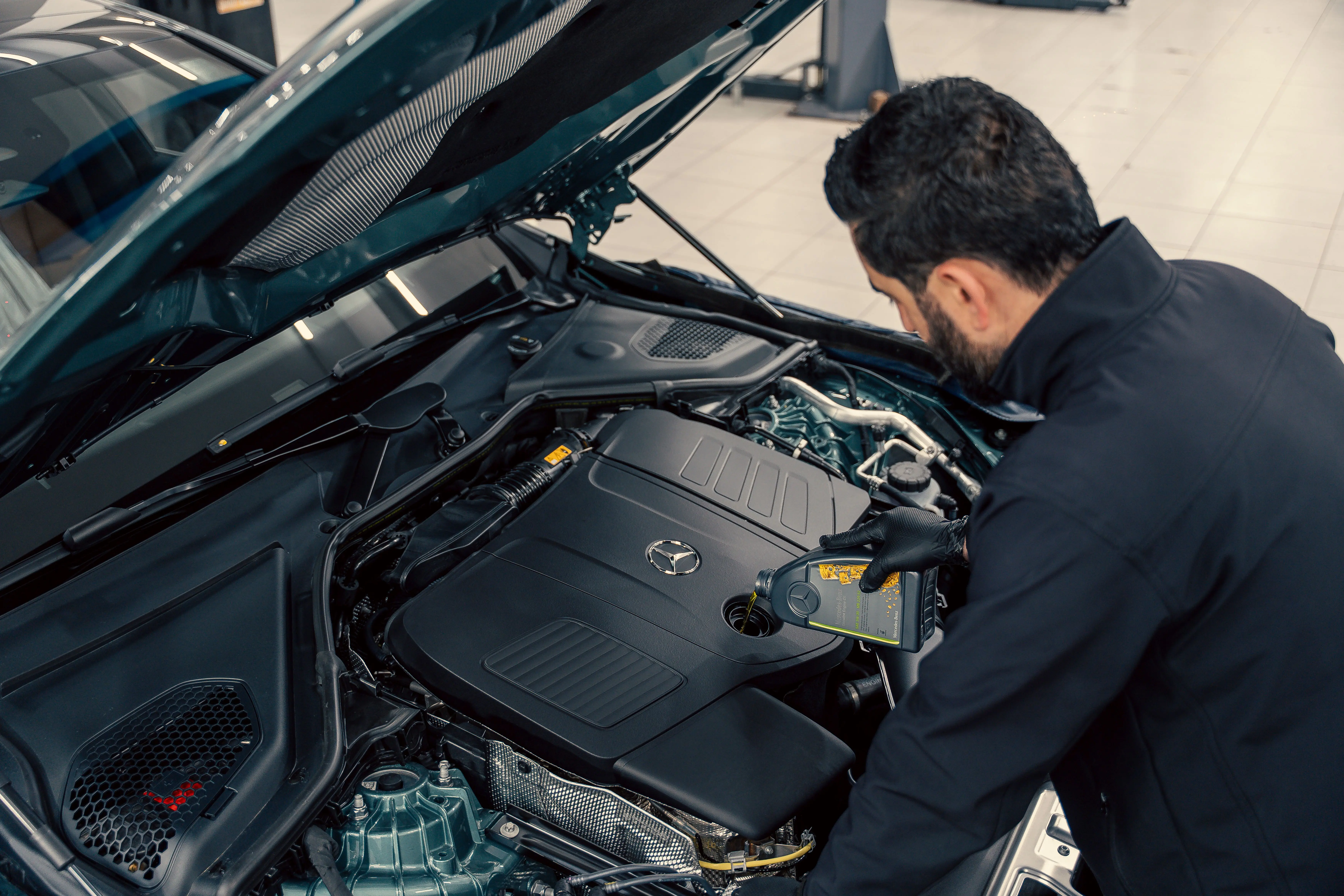
If you know exactly when the last oil change was performed, great. If you don’t, an oil and filter change is an easy place to start. It gives you a known mileage and date for the next service interval, which beats guessing whether that little windshield sticker is accurate.
This is also a good time to check the owner’s manual for the correct oil specification and normal maintenance schedule.
Take a Look at the Tires and Brakes
Tires can tell you quite a bit about a vehicle. Check tread depth, tire pressure, visible damage, and whether the tread is wearing evenly. Uneven wear could point toward an alignment or suspension issue.
The brakes deserve a look, too. Knowing how much brake pad material remains gives you an idea of whether brake work might be coming soon. It’s much nicer to find that out during a routine inspection than after the wear indicator starts making noise.
Check the Battery
A battery can work perfectly today and still be nearing the end of its useful life. If you don’t know how old it is, look for a date code or have it tested. That’s especially worthwhile before winter or before taking a newly purchased used vehicle on a long trip.
While you’re under the hood, check the coolant, brake fluid, washer fluid, and other serviceable fluids listed for the vehicle.
Don’t Forget the Filters
Engine air filters and cabin air filters aren’t glamorous, but they’re usually inexpensive maintenance items. A dirty engine air filter can restrict airflow, while an overdue cabin filter can reduce HVAC airflow and collect plenty of dust, pollen, leaves, and other debris.
If the service history is unclear, checking both is easy.
Find Out What’s Coming Next
Not everything needs to be replaced immediately. The real goal is to know where things stand. Look through available service records, check the manufacturer’s maintenance schedule, and make note of larger services that may be approaching based on mileage. Depending on the vehicle, that could include spark plugs, transmission service, coolant replacement, belts, or other items. Starting with that information makes it much easier to budget and maintain the vehicle properly instead of reacting whenever something comes up.
At Jay Wolfe Auto Outlet, we want your used vehicle to be something you feel good about long after you leave the lot. If you’re shopping for your next car, truck, or SUV, stop in and see what’s available.